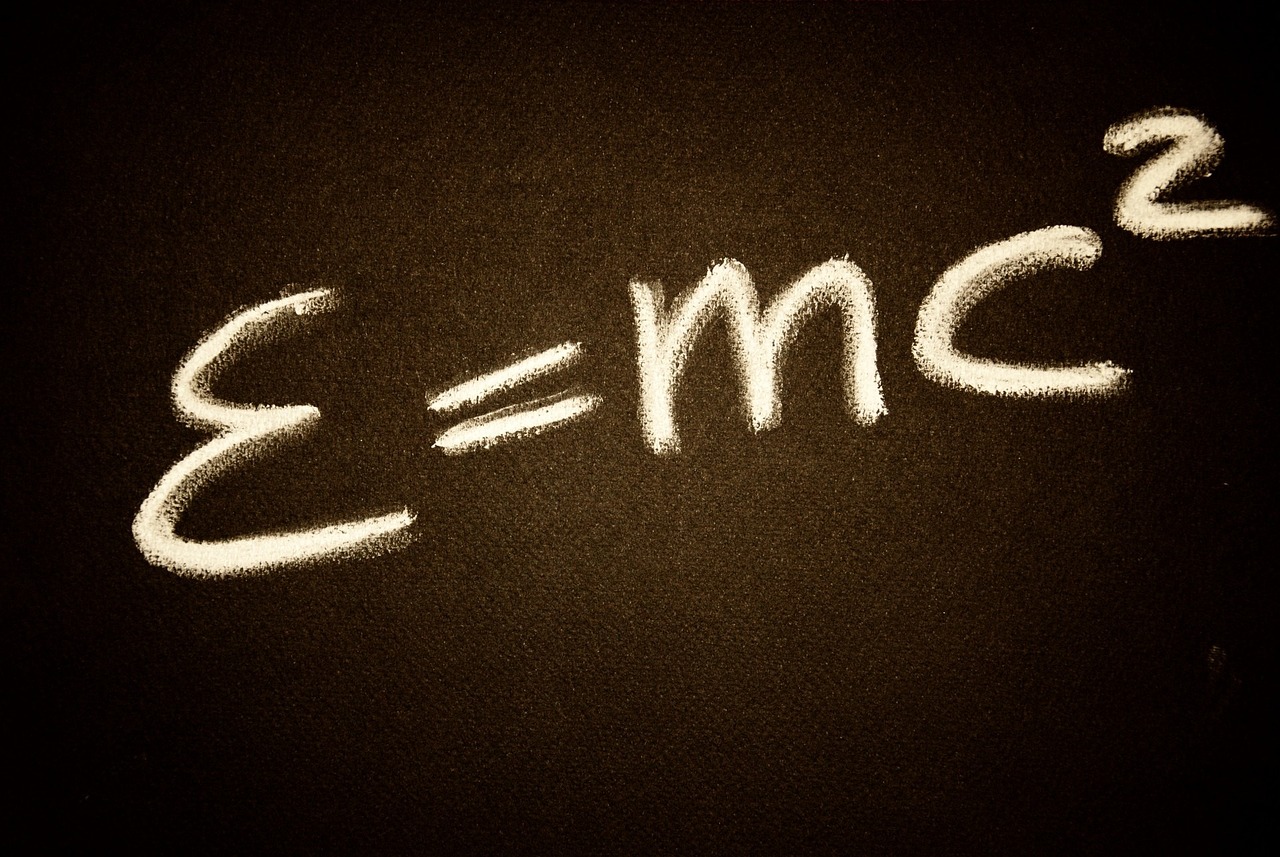

- Description
- Course Info
- Comments
Course Overview:
This Introductory Physics program is designed to provide students with a comprehensive foundation in the fundamental principles of physics, with a focus on the concepts that are crucial for understanding the physical world. From mechanics to thermodynamics, electricity, and electrodynamics, this course will equip students with problem-solving techniques and a solid understanding of the physical laws that govern our universe.
Key Areas of Focus:
- Kinematics: Motion in one and two dimensions, velocity, acceleration, and projectile motion
- Newton’s Laws of Motion: Forces, friction, and applications of Newton’s laws in real-world scenarios
- Work, Energy, and Power: Work-energy theorem, kinetic and potential energy, conservation of energy
- Momentum and Collisions: Conservation of momentum, elastic and inelastic collisions
- Rotational Motion: Torque, angular momentum, and rotational kinematics
- Thermodynamics: Temperature, heat, laws of thermodynamics, and applications to engines and refrigerators
- Waves and Oscillations: Simple harmonic motion, wave properties, sound, and light
- Electricity and Magnetism: Electrostatics, Coulomb’s law, electric fields, potential, and capacitors
- Electrodynamics: Electric current, magnetic fields, Ampère’s law, Faraday’s law of induction, and electromagnetic waves
What You’ll Gain:
- A comprehensive understanding of the key principles of physics, from mechanics to electromagnetism
- Enhanced problem-solving skills for tackling both theoretical and practical physics problems
- The ability to apply physics concepts to real-world applications in fields such as engineering, technology, and applied sciences
- A strong foundation in electricity and magnetism, preparing you for more advanced studies in electrodynamics, electronics, and electrical engineering
Course Information
- Class Start : Available from January 2025
- Skill Level : Advanced
- Class Time : Learn at your own time
- Language : Lessons delivered in English